
In the UK construction sector, carbon reduction often stops at procurement: a contractor selects an eco-certified material from an external catalogue, checks a compliance box, and considers the job done.
Vascroft operates with a distinct advantage.
Because we maintain our own in-house joinery, metal fabrication, and building services teams, we retain direct control over how raw materials are handled, processed, and repurposed. That structural oversight allows us to embed circular, carbon-reduced manufacturing practices right at the source.
“When you control the manufacturing floor, you control the environmental outcome,” says Neelesh Patel, Environmental, Health & Safety (EHS) Manager at Vascroft. “Our focus is on eliminating material waste during cutting and turning everyday timber by-products into clean, useful heat for our facilities.”
Here is how that circular philosophy operates inside our workshops.
Precision Timber Processing via Advanced CNC
A core priority within our Joinery Division is reducing virgin timber waste during the initial profiling and cutting stages.
To achieve this, Vascroft recently introduced advanced automation to the workshop floor:
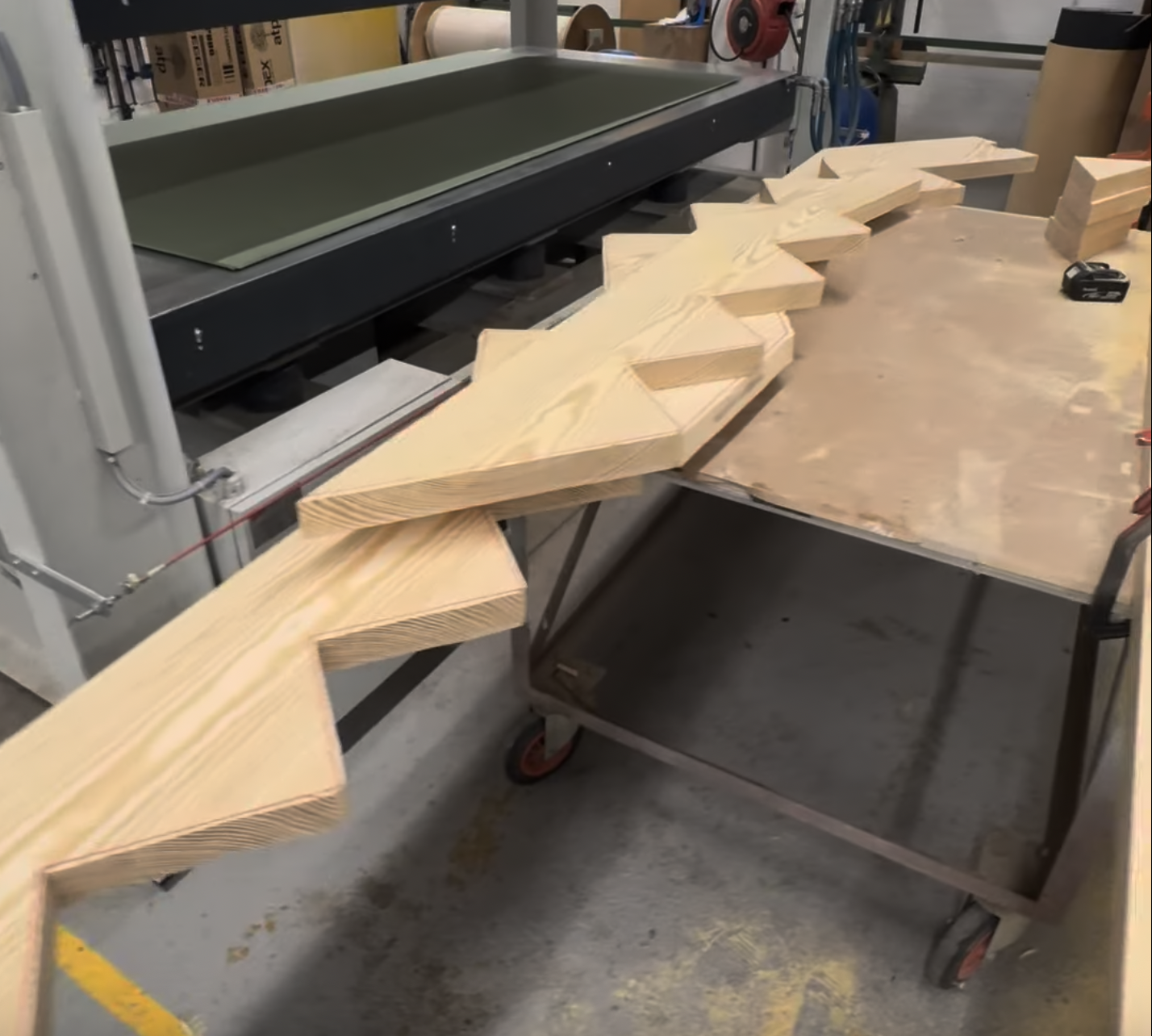
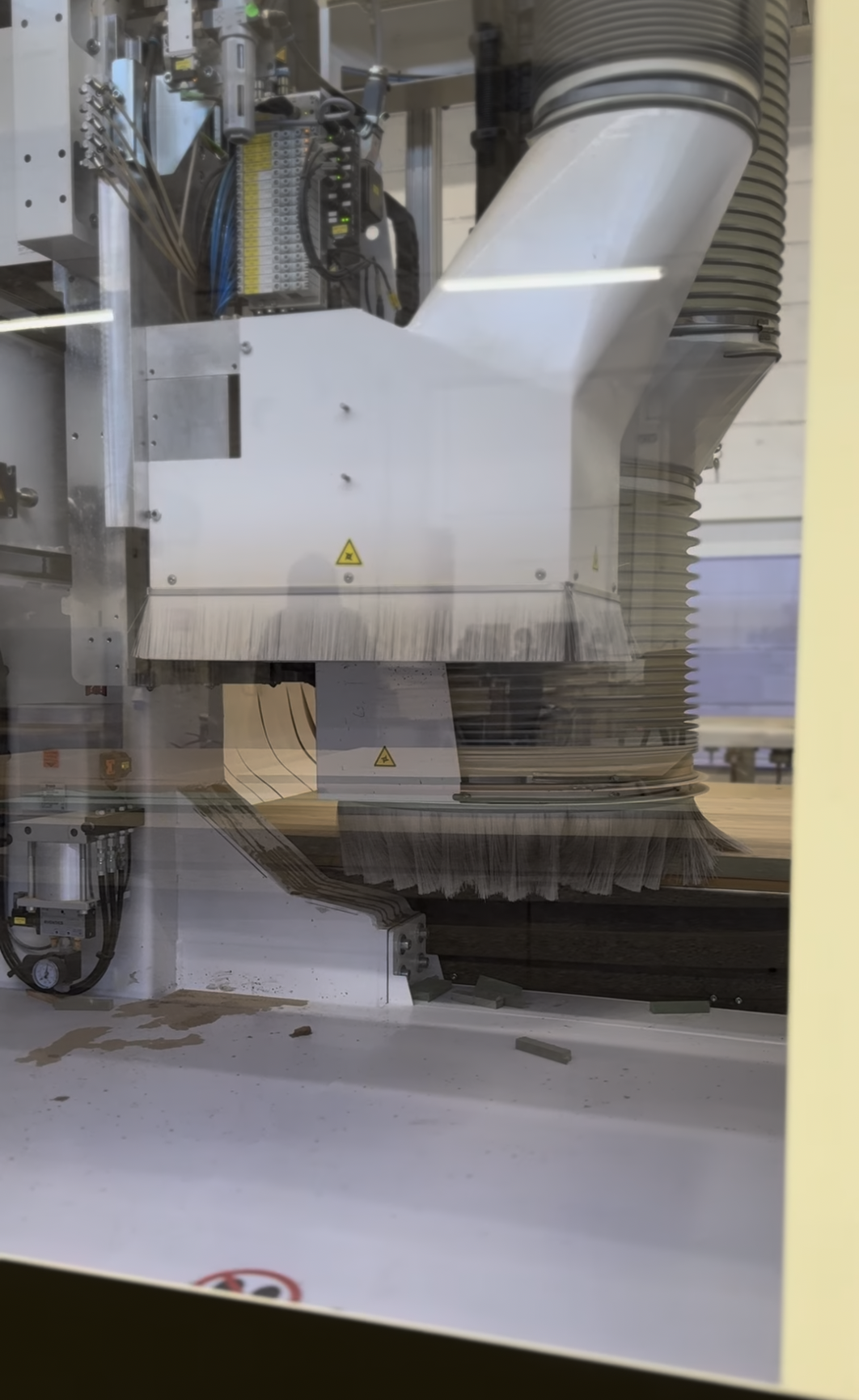
“Within our joinery division, we have recently procured a sophisticated new Computer Numerical Control (CNC) wood cutting machine which uses pre-programmed computer software to automatically carve, cut, drill, and shape wood and panel materials with high precision,” explains Neelesh. “This CNC machine supports sustainability by reducing material waste, lowering energy use, and integrating with circular economy practices.”
By automatically calculating the tightest nesting layouts across sheet materials and hardwood boards, the CNC software drastically cuts scrap offcuts. Operating as a single, highly accurate unit, it also runs at higher electrical efficiency than traditional multi-station machinery.
Dust to Power: The Carbon-Neutral Biomass Cycle
The key circular milestone in our joinery operations lies in what happens to unavoidable timber by-products.
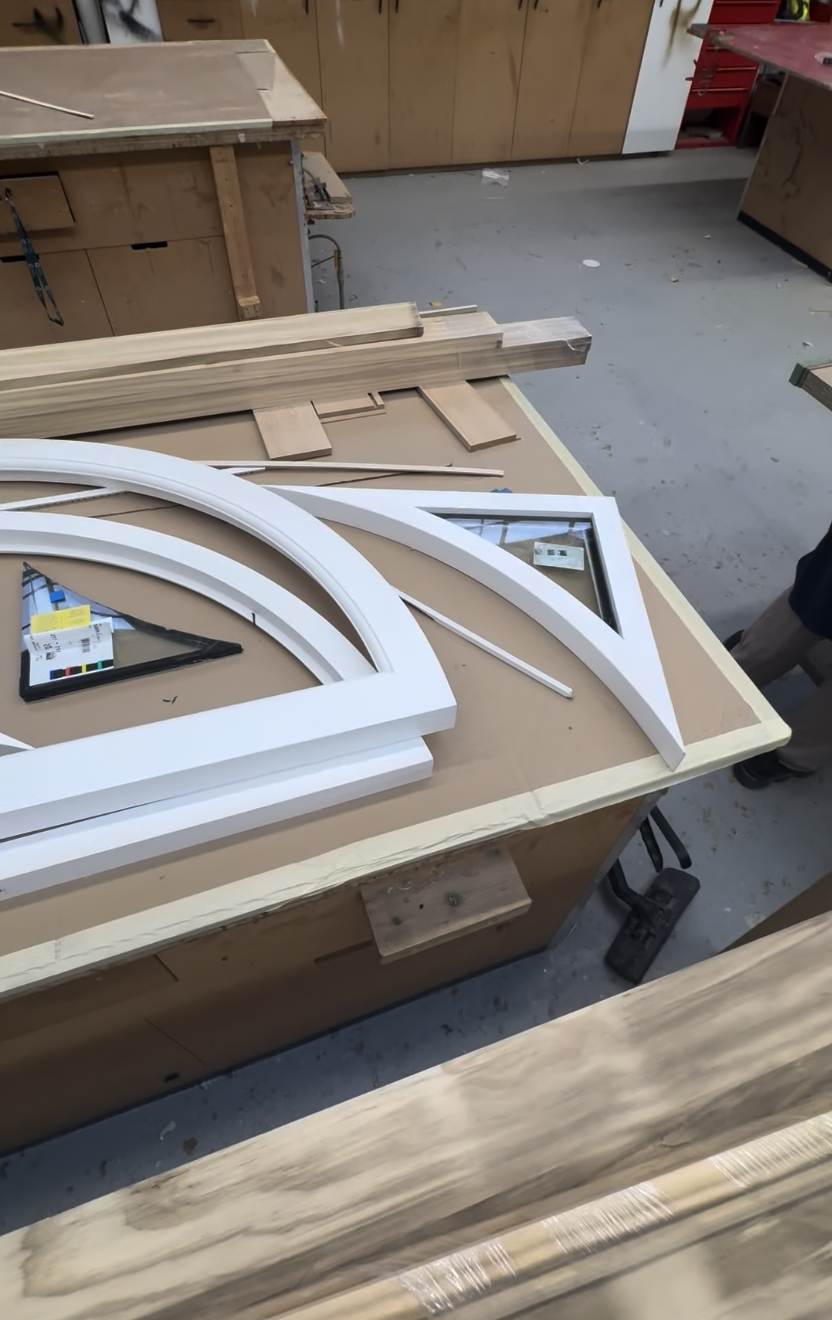
Even with precision cutting, shaping bespoke architectural woodwork produces fine sawdust, shavings, and solid offcuts. Rather than bagging this waste for disposal or sending it to landfill, Vascroft channels it into an on-site, closed-loop thermal cycle:
“The joinery department is equipped with a Local Exhaust Ventilation (LEV) system that captures dusts generated by wood cutting processes,” Neelesh explains. “These dusts are then fed into a biomass boiler which burns the wood dusts and other organic materials – for example, wooden off cuts and waste – to provide central heating for the joinery and our office spaces.”
This closed loop delivers practical heat while removing fossil fuel dependency:
“This process provides a renewable fuel supply unlike fossil fuels like coal, oil or natural gas,” notes Neelesh. “This creates a Carbon-Neutral Cycle as carbon dioxide (CO₂) is released when a biomass boiler burns, which is roughly the same amount of CO₂ the tree absorbed from the atmosphere through photosynthesis while it was growing. As long as harvested trees or plants are consistently replaced by new growth, the net addition to atmospheric CO₂ remains balanced.”
On-Site Renewable Solar Generation
Our circular approach extends upward from the machinery floor to the facility roofline:
“We have solar PV panels installed at our office headquarters which generate clean, free electricity to reduce our energy bills and reduce carbon emissions,” says Neelesh.
By generating clean electricity on site, we power workshop extraction systems, tools, and administrative spaces directly from solar energy, reducing our daily pull from the regional grid.

Craftsmanship with Lower-Carbon Accountability
From high-precision CNC optimisation to clean biomass heating and rooftop solar generation, Vascroft’s in-house infrastructure demonstrates that luxury architectural joinery and carbon-reduced manufacturing are a natural fit.